
The following article is compiled from research conducted throughout 2024 and 2025 by the University of Miami’s Community Ownership Learning and Action Lab. The research is formally published in the COLA Lab’s case study series Community Ownership Field Guide: A Multi-City Panorama.
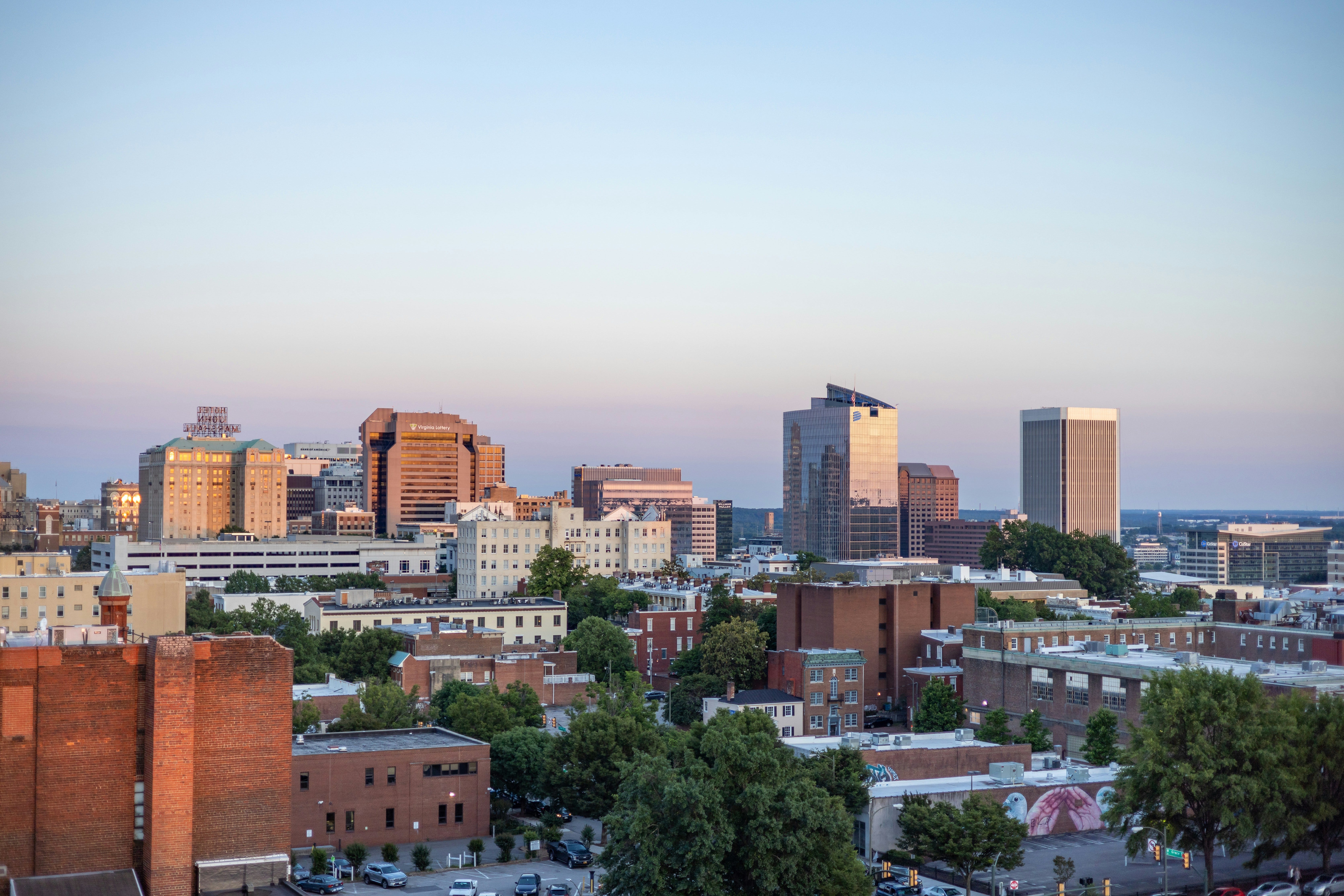
As the former “Capital of the Confederacy” and the site of one of the largest slave markets in the United States, Richmond has a long history of racialized land dispossession. Throughout the 19th and 20th centuries, racially restrictive covenants, zoning segregation, and redlining systematically displaced Black communities and reshaped patterns of land ownership that continue to influence the city. Today, Black homeowners still face higher cost-burdens, rising tax assessments, and persistent undervaluation of their homes than their racial counterparts — conditions that have contributed to a decline in Richmond’s Black population and a widening racial wealth gap.
Richmond’s recent community wealth-building efforts contributed to a decline in poverty, from 26.7% in 2008-2012 to 18.2% in 2020-2024. At the same time, revitalization efforts have heightened concerns about displacement, particularly in historically Black neighborhoods such as Jackson Ward. While the Richmond Redevelopment Housing Authority and other affordable housing developers work to expand affordable housing, rising real estate investment has transformed Jackson Ward: between 2000 and 2025, home values increased by more than $200,000 and the Black population declined from nearly 70% to about 30%, while the white population grew from roughly 30% to 56% (American Community Survey).
It was within this landscape that Maggie Walker Community Land Trust (MWCLT) emerged in 2016. Founded by affordable housing developers, real estate professionals, and nonprofit leaders (including from Habitat for Humanity, project:HOMES, Better Housing Coalition, Bon Secours Mercy Health System, HD Advisors, and the Richmond Association of REALTORS), the CLT set out to preserve permanently affordable homeownership while responding to growing concerns about displacement.
MWCLT has since become one of the fastest-growing CLTs in the U.S. By 2025, it had developed 122 homes and planned to develop another 150-200 in the following five years.
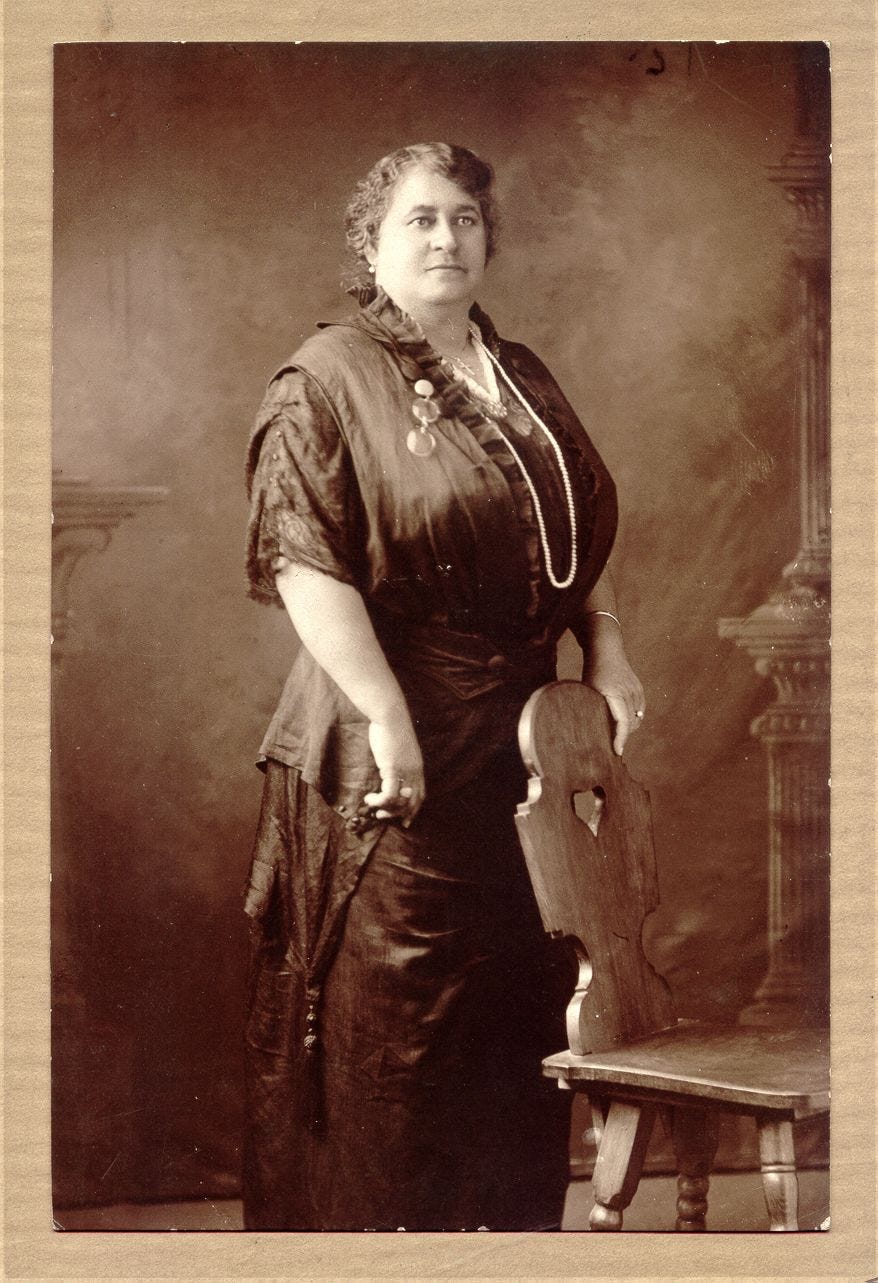
The land trust is named after the Richmond community and business leader Maggie Lena Walker. Growing up during Reconstruction and the rise of Jim Crow as the daughter of an enslaved woman, she understood the promise and peril facing Black Americans in the wake of abolition. The first woman of color to charter and serve as president of a bank in the United States, Walker’s commitment to Black economic self-determination continues to inform the CLT’s mission.
Through in-depth interviews with founders, staff, public officials, and housing leaders, the Community Ownership Learning and Action Lab (COLA Lab) found that MWCLT followed a path that differs from many community ownership organizations.
Rather than building a separate ecosystem around community ownership, the land trust embedded itself within Richmond’s existing housing ecosystem. It leveraged the founders’ relationships, credibility, and expertise to raise capital, forge partnerships, and advance permanently affordable housing in neighborhoods facing displacement pressures.
In doing so, it made community ownership legible within Richmond’s existing development ecosystem. That strategy shaped nearly every stage of the land trust’s growth.
Recategorizing Community Ownership
At first, MWCLT “stayed away from public dollars, CDBG, or anything like that because of the regulatory requirements around them.” Over time, however, the public sector became a key ally in expanding community-owned real estate.
That shift began with MWCLT’s advocacy for Virginia’s Land Bank Entities Act and its subsequent efforts to secure land-bank designation. It became the first CLT in the country to do both. One founder recalled:
“We went to the general assembly and our state legislature and we asked them to pass [the Land Bank Act], which said any nonprofit designated as a jurisdiction’s land bank will not pay real estate taxes on its land holdings. [After that passed], we asked the city of Richmond and the counties of Chesterfield and Henrico to recommend us to be their land bank.”
Although the designation has not yet resulted in a large number of developed properties, it gave local government a familiar legal category through which to understand and work with the land trust. It also helped establish relationships that later positioned MWCLT within new public-sector housing initiatives.
One example is Henrico County’s $60 million Affordable Housing Trust Fund, launched in 2024. The program offers funding and development incentives to nonprofit and for-profit developers that create homes affordable to households earning 60-120% of Area Median Income, provided those homes remain affordable for at least ten years. Developed in collaboration with MWCLT, the program’s long-term affordability requirement encourages developers to partner with the land trust. As one Henrico County official explained:
“We don’t say Maggie Walker, but they are the only ones who can do it.”
The program’s flexible funding has also attracted private developers, creating new opportunities for collaboration. As another public official noted:
“As far as really putting the CLT front and center for the Henrico Trust Fund program was another component of attracting the for-profit developer community. We’ve been able to marry the land trust with these builders that can produce way more homes than would’ve been otherwise possible by just Maggie alone.”
By helping shape the program, MWCLT contributed to the public sector’s normalization of the CLT model. In this context, ‘normalization’ means that community ownership models and values become accepted – and in some cases, preferred – ways of achieving public housing goals.
Leveraging Relationships and Expertise
MWCLT’s ability to expand was also rooted in the relationships, credibility, and expertise of its founders. Leaders from the Richmond Association of REALTORS and HDAdvisors brought decades of experience in Richmond’s affordable housing and real estate sectors, along with relationships across philanthropy, government, finance, and development. These relationships led to interconnected opportunities for the land trust, including financial support, land bank designation, access to public sector housing programs, and alignment with affordable housing development pipelines.
Thanks to these relationships, the Richmond Association of REALTORS and Bon Secours Mercy Health Systems each provided MWCLT zero-interest $1 million lines of credit. MWCLT also received early support from The Community Foundation of Greater Richmond and several family foundations.
As one former staff member explained, the founding board chair “had relationships to get really big money early on, which is very rare for nonprofits.” Another explained it plainly as:
“She opened doors and also got us connected to the for-profit development community — they couldn’t write big checks, but they could help develop houses and save us money.”
Those relationships also extended beyond traditional housing philanthropy. Following a brief conversation with Altera, MWCLT’s founding board chair secured a $1 million gift for the land trust, something staffers noted was unusual for a nonprofit and came about because “they trusted her.” Dominion Energy and Eagle Construction also became supporters.
Reflecting on the funding and public sector wins these relationships catalyzed, the founding board chair explained:
“It’s a small ecosystem. We’ve known each other for years. And so the fact that we had demonstrated success from the Partnership for Housing Affordability made it easier. I had some credibility built up with them. So, that made a huge difference. Also, the fact that housing has become such a crisis.”
Relationships opened doors, but technical expertise helped turn those opportunities into lasting partnerships.
From its earliest days, MWCLT maintained a consultancy relationship with HDAdvisors. As the founding board chair explained, the organization has “always had a consultancy contract with HDAdvisors.” The first two CEOs came from the consultancy, whose staff also served in roles including COO, Fund Manager, Director of Finance, and Director of Real Estate Acquisition.
One local housing policy expert described HDAdvisors’ role this way:
“Having [HDAdvisors’] sound research and policy background to inform the tool that was new to the region made it easy to sell. Once you get the buy-in, especially from our local governments institutionally, that helped to build the reputation of [MWCLT] and allowed them more opportunities to really grow significantly over the past few years.”
This combination of institutional relationships and technical capacity also helped integrate the land trust into Richmond’s affordable housing pipelines. As Henrico County developed its Affordable Housing Trust Fund, MWCLT’s founding board chair advocated for incorporating the land trust model into the program. County officials ultimately decided to explicitly embed long-term affordability requirements, which implicitly embedded MWCLT into the program.
The public sector’s normalization of the CLT model increased private developers’ willingness and enthusiasm to collaborate with MWCLT. As one former staffer shared:
“It’s not controversial to work with Maggie Walker. [Developers] want to do it. They’re encouraged to do it. But I think there’s a difference between… saying that you work with nonprofits, and you work with the CLT. You get sort of the clout or the bonus points of saying, ‘We work with permanently affordable developers.’”
Together, relationships, credibility, and expertise established MWCLT as a trustworthy development partner. In doing so, the organization helped expand support for permanently affordable housing in a city where rising property costs and redevelopment pressures continue to threaten communities’ stability.
Why This Matters for Practice
To achieve scale, Maggie Walker Community Land Trust worked inside the existing real estate development system, building a model of community ownership that was legible to institutions while cultivating closeness to government.
Those relationships helped MWCLT raise capital, adapt familiar legal designations, align with public funding programs, and build partnerships across government, philanthropy, and development. They became a vehicle through which concerns about displacement and racialized housing inequality entered mainstream housing policy.
The Richmond case suggests that institutional integration can expand the reach of community ownership. At the same time, it raises important questions.
Catalytic relationships are often concentrated in a small number of individuals, and legal designations or government partnerships are not equally available in every community. Organizations pursuing similar strategies should consider how these relationships can be broadened and democratized across the field.
One promising approach is co-governance: creating formal structures in which community ownership organizations can both collaborate with institutions and challenge them when necessary. Affordable housing trust funds, land bank boards, redevelopment authorities, corridor planning bodies, and public land disposition committees can all provide opportunities for community members to shape policy decisions, co-design public programs, and help ensure effective implementation alongside local government.
Bottom Line
Community ownership is often understood as an alternative to the conventional real estate market. The Maggie Walker Community Land Trust demonstrates another pathway: working within existing institutions to expand the reach of community ownership.
By leveraging trusted relationships, institutional credibility, and technical expertise, MWCLT helped normalize the land trust model to local government, developers, lenders, and philanthropies while advancing permanently affordable housing in neighborhoods facing displacement. In Richmond, MWCLT is weaving community ownership into the everyday fabric of real estate development and expanding the possibilities of ownership to those whose ancestors were held in bondage.
At the same time, the case raises an important question for the broader field: How can access to these relationships and institutional pathways become less dependent on a small number of individuals and more widely shared across the community ownership ecosystem?
For the full analysis and detailed recommendations, check out the COLA Lab’s Community Ownership Field Guide: A Multi-City Panorama, which compares community ownership projects across U.S. cities.
De’Sean Weber is a Senior Research Associate at the Community Ownership Learning and Action (COLA) Lab at the University of Miami, where he supports the creation of research, tools, and strategies that center tenant and community power through collective ownership and cooperative governance of real estate. He was formerly Director of Worker Owned Enterprises at Catalyst Miami where he oversaw the worker cooperative development and facilitated the growth of the local democratic economy. De’Sean attained a Master of Public Administration in Innovation, Public Policy, and Public Value from University College London in 2024 and an alumnus of the Congressional Hunger Center’s Bill Emerson Hunger Fellowship in 2017 - 2018.