
By Carolina Fernandez, Community Ownership Learning & Action Lab
This story is part of a spotlight series on the Community-Owned Futures Cohort, an initiative of the Community Ownership Learning & Action Lab (COLA Lab) at the University of Miami. Through the cohort, we support emerging leaders who are testing new ideas and expanding what’s possible in community ownership. These stories are examples of real people building power, stability, and shared prosperity through collective stewardship of the places they call home.
Justice for the People Legal Center is featured in the COLA Lab’s multi-city case study, Redesigning Property Relations: The Paths to Viability and it’s accompanying Action Guide.
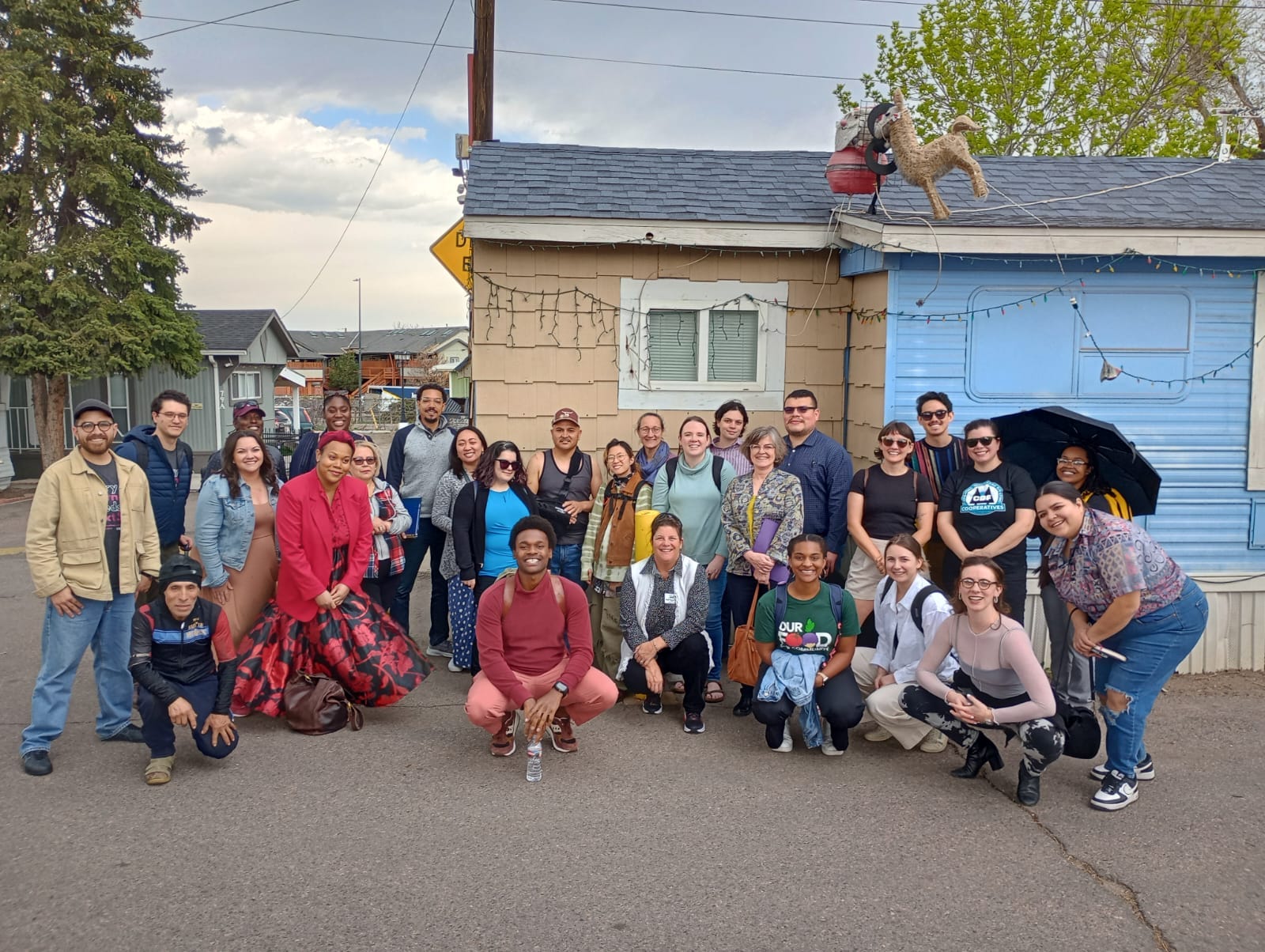
In 2022, residents of Montevista Mobile Home Park in southwest Denver faced a familiar threat. The owner was preparing to sell the property to a Wall Street investor. For residents, the stakes were high. A sale could mean rent increases, displacement, and the loss of a community that families had spent years building.
Instead, residents organized.
With support from Justice for the People Legal Center (JPLC), they exercised their rights under Colorado’s Opportunity to Purchase Act, a law that gives manufactured housing residents first dibs on buying the land beneath their homes when it comes up for sale. (Most residents already owned their homes, just not the land.) A nonprofit partner, Sharing Connexion, stepped in as an interim owner while residents assembled the necessary financing and built up their governance muscle to form a resident-owned cooperative.
Today, the Montevista community has secured roughly $11.5 million toward the purchase and is on track to transfer ownership to residents soon, becoming the first resident-owned manufactured housing park in Denver.
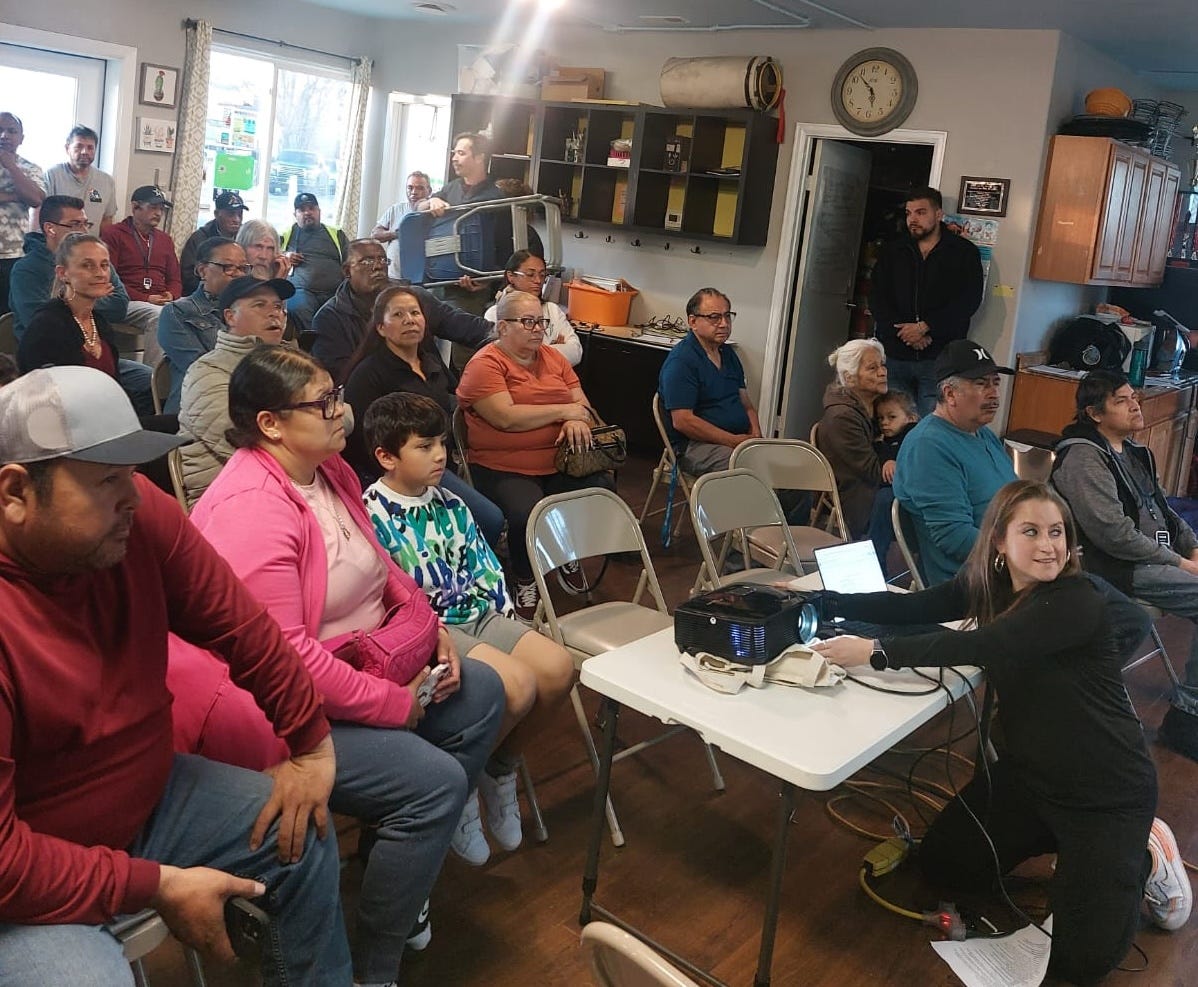
For JPLC, Montevista represents the reality that communities can get laws enacted only to discover that enforcing rules is hard and building true local power is even harder. That’s why JPLC’s model combines grassroots organizing, policy advocacy, and legal strategy to help communities facing displacement defend their rights and secure ownership.
Executive Director and Co-Founder Dre Chiriboga-Flor, who has spent more than a decade organizing, says she ultimately hopes organizations like JPLC become unnecessary.
“We want to live in a world where we don’t need lawyers. We want to work ourselves out of our jobs — even organizers. We want there to be so much organization among tenants that we don’t actually have to intervene.”
That philosophy has shaped JPLC into something unconventional: a legal center led by organizing first and legal strategy second.
“We know from experience that one of the only true ways that we can create affordable, dignified, and permanent housing is by putting it into the hands of residents themselves, and taking it off the speculative market. And that’s really where we see ourselves as a housing justice organization, is creating these pathways towards community ownership… by building people power, organizing tenants, organizing residents to pass policies such as Opportunity to Purchase, protective zoning, moratoriums on redevelopment. And then we use our legal strategies to enforce, implement, and uphold those policy wins.
We’ve also raised money for acquisition and done sustainable technical assistance investments. But I think what’s really key is all of this is led by grassroots organizing.”
So when does Justice for the People Legal Center bring in the legal part?
“Ideally, it’s after there’s already been community organizing happening and people trying to assert their rights, and it’s clear that this is the time — let’s escalate our tactics and include now a legal strategy.
That’s very much intentional. Lawyers doing just lawyer things without guidance of people who are impacted can be disastrous.”
Legal action, as Dre explains, is an escalation, not a replacement for organizing.
“That doesn’t mean that the organizing should stop or slow down. This is just sort of to up the ante and put new pressure on.”
Rather than acting as a permanent intermediary, JPLC sees its role as helping communities build up the skills and structures to lead on their own. Or, as Dre puts it, to feel like:
“Y’all are independent. Y’all can carry this even if I’m not there.”
The end goal, then, goes beyond owning a piece of real estate— it’s governance and, at a deeper level, a transfer of power.
For Dre, years of organizing against gentrification and displacement have revealed an undeniable truth:
“Change doesn’t happen in a vacuum. When policies pass, a lot of times the way they’re portrayed in the media is like, all of a sudden these legislators just decided this was a good idea, decided to do the right thing. But that’s never how anything ever works. We always have to push and fight and organize for these changes.”
That work often begins long before ownership is even an option. JPLC helps residents form boards and committees, run meetings, make collective decisions, and navigate challenges inherent to shared stewardship:
“I set up a resident board immediately. I’ll door knock, ID leaders, have one-on-ones. And then, formalize an organization.”
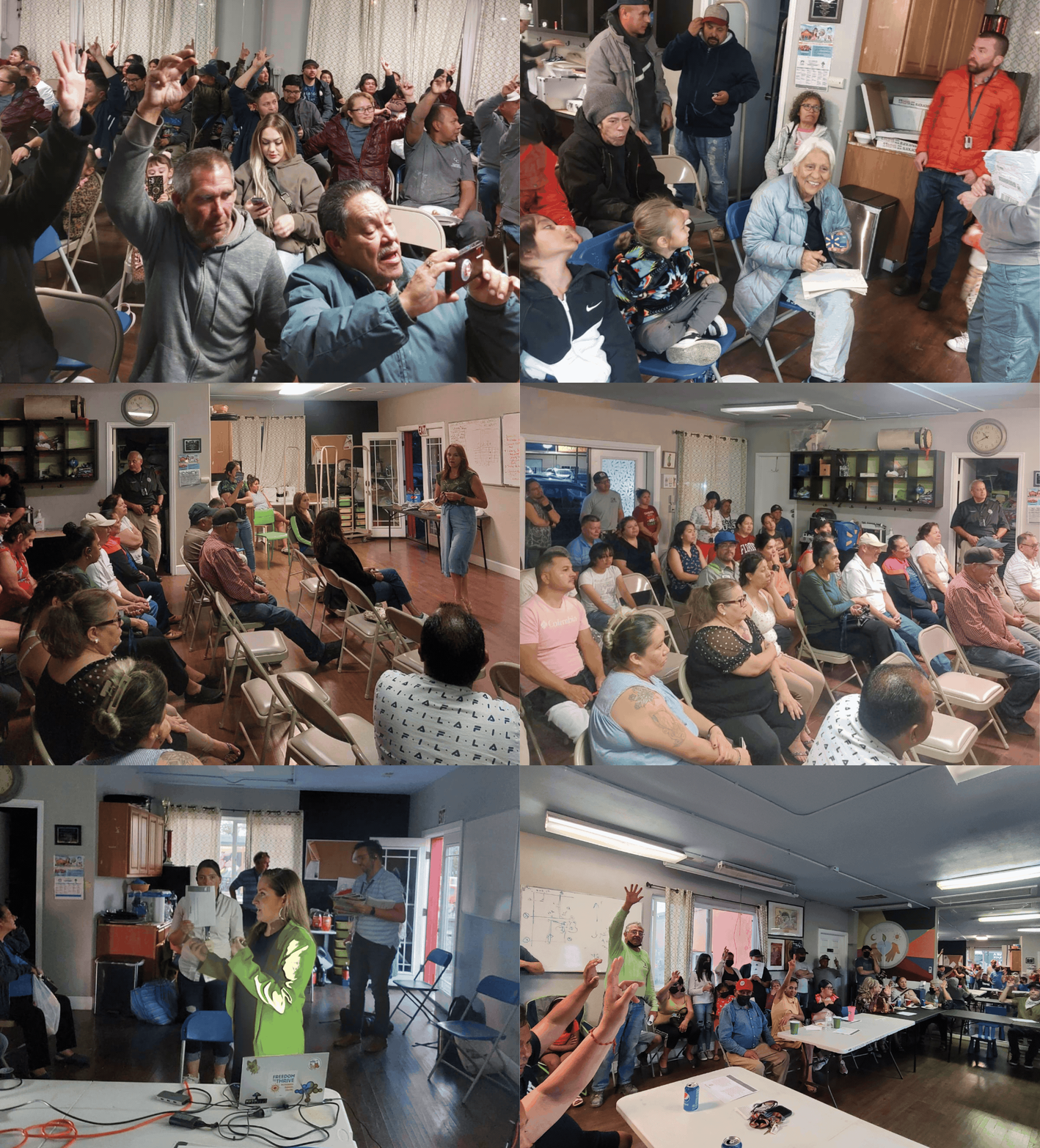
Dre says that formalizing an organization creates a sense of responsibility and seriousness:
“Like yeah, you are an important leader in your community.”
She doesn’t shy away from the fact that this work takes time and trust:
“That takes hours and hours of relationship building, to get to the point where people trust you enough to really stick their neck out and go be public about their issues that they have with their landlord.”
Community ownership is often described as a transaction, like a property is purchased or displacement is avoided. JPLC is focused on the groundwork that makes those outcomes possible and the governance capacity to make them last.
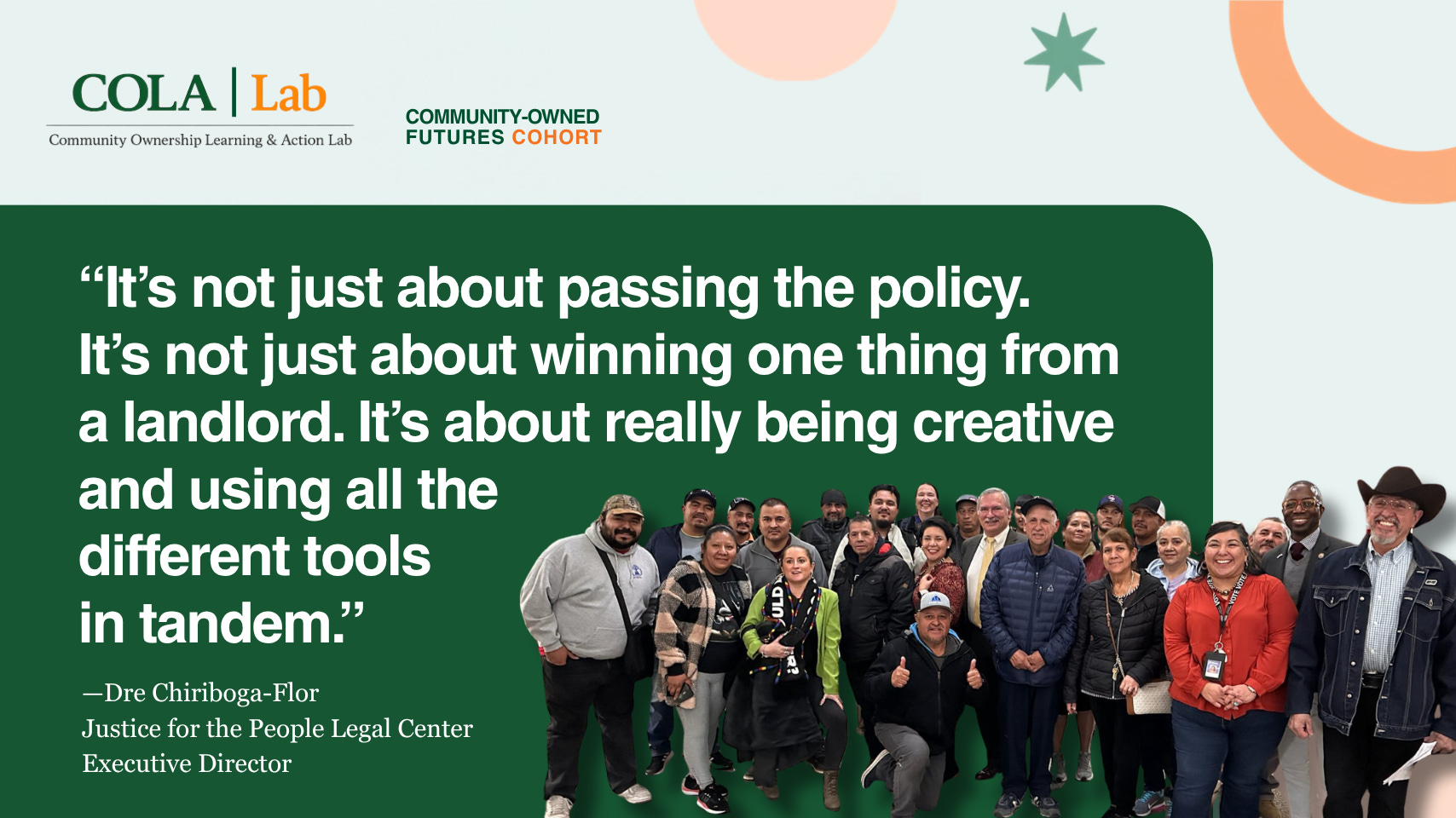
“It’s not just about passing the policy. It’s not just about winning one thing from a landlord. It’s about really being creative and using all the different tools in tandem, playing off of each other.”
In practice, that strategy can look very different from one community to the next.
Montevista is one example. Lawson Village Mobile Home Park is another. There, JPLC is pursuing litigation against a landlord who sold the park without providing the notice required under Colorado’s Opportunity to Purchase Act. The case is testing a bold theory: that legal enforcement can potentially rescind a sale and create a real pathway to land ownership for the residents.
These examples illustrate JPLC’s philosophy around community ownership: laws, policy, and capital alone are not enough— because if there’s no enforcement, it’s just words on paper.
For Dre, underlying this work is also a challenge to a deeply individualistic idea of homeownership.
“People come to this country with an idea of, ‘I want to own my home, my own land.’ This kind of very individualistic mentality. And that’s not always sustainable or accessible for us.”
JPLC is helping advance a different vision— one of ownership as a shared good and collective practice.
“What does this narrative shift and cultural shift look like? Leaning more into collectivism and economies of care. That’s absolutely essential in order for us to own and steward land and housing collectively.
In terms of how does that lead to resident ownership: when you talk to people living in mobile home parks and you ask what is the dream for your community — to own the land, that’s the dream.”
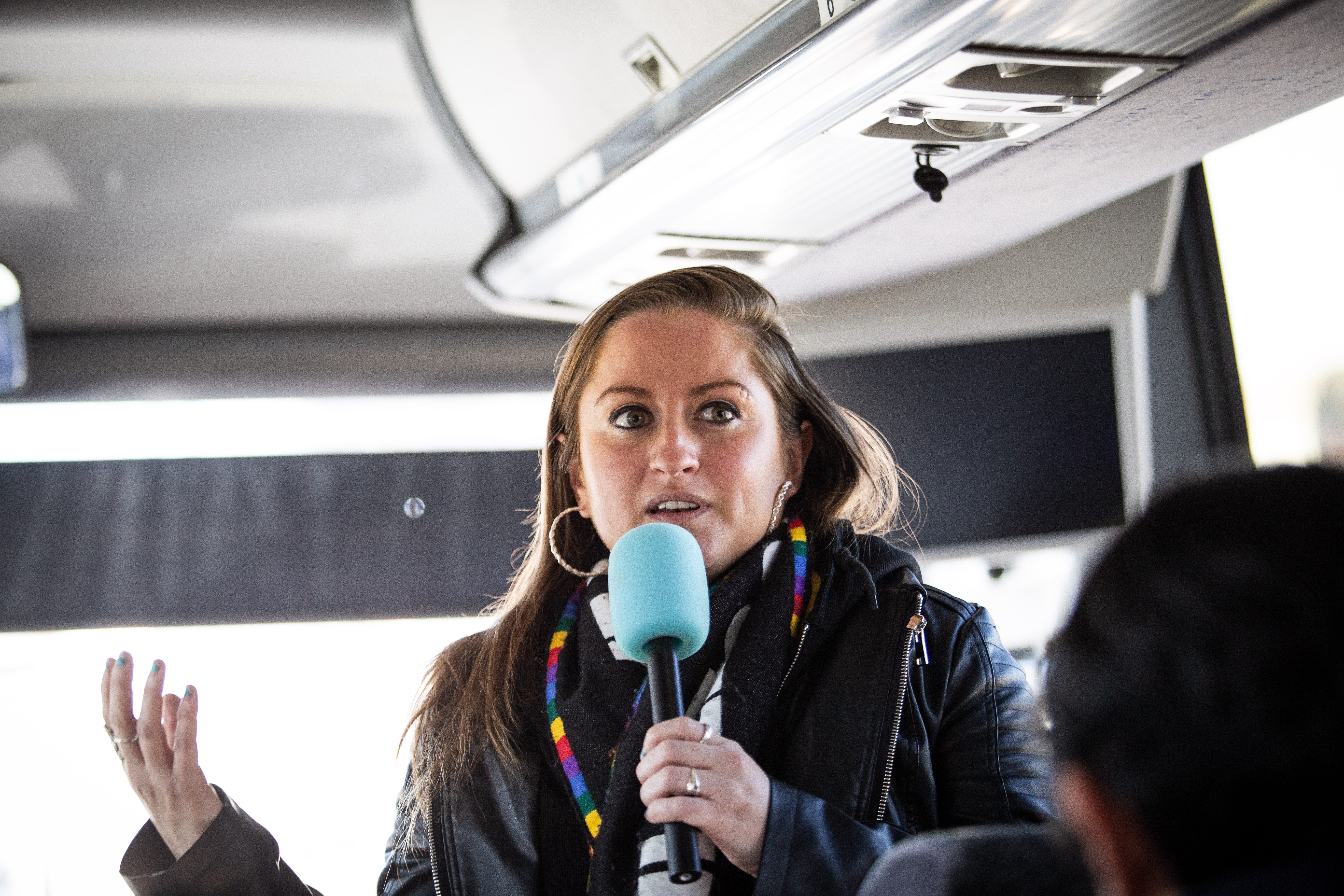
The proof that this shift is possible is already visible across Colorado.
“It’s night and day. Denver actively was displacing mobile home parks and now they put in $2.6 million in a forgivable loan for this community to be bought by the residents. And that’s within ten years.”
Again, though, as Dre explains, this didn’t come about by happenstance or the goodwill of policymakers:
“We know this is because of residents organizing but that gives me a lot of hope that that’s just going to continue to be strengthened.”
JPLC reflects the broader principle that community ownership emerges when organizing capacity, legal protections, capital access, and governance structures reinforce one another.
At its core, community ownership is about residents learning to steward shared assets together and forming democratic organizations that can endure. In doing so, communities are staking their claim in the places they call home, all while building the power to control their own futures.
To learn more about JPLC or get in touch with the COLA Lab, check out the links below.
Resources & Next Steps
Learn more about Justice for the People Legal Center
Explore the Community Ownership Learning & Action Lab (COLA Lab)
Join the COLA Lab’s mailing list to receive more stories from the field and research-based resources
Contact the COLA Lab at communityownership@miami.edu